
Selling your home comes with plenty to think about, from getting it ready for buyers to sorting out paperwork. Then comes the appraisal.
An appraiser assesses your property to estimate its market value. This can be important when a buyer is using a mortgage, as the lender typically relies on the appraisal when deciding how much to lend.
You don’t need to make your home look brand new before the appraiser arrives. But a little preparation can help them assess the property properly and give them a clearer picture of its condition and features.
If you’re selling a property in Southwest Washington, having the right real estate team alongside you can make the process easier. The Discover Northwest Realty Group team can help you understand what to expect at each stage, from preparing your home for the market to getting through the appraisal and closing process.
Here’s a simple home appraisal checklist for sellers to help you get ready.
1. What to Expect During a Home Appraisal
A home appraisal isn’t the same as a home inspection. The appraiser’s job is to estimate the property’s market value by looking at its condition, features, location and comparable property sales.
For homes in Southwest Washington, the type of property can also matter. A rural home with acreage, outbuildings or specialised features may need a different set of comparable sales from a home in a residential neighbourhood.
During the appraisal, the appraiser may:
- Measure the property and note its layout.
- Photograph the interior and exterior.
- Record the condition and features of the home.
- Note visible maintenance issues.
- Review comparable sales and relevant market information.
UAD 3.6 is a standardized format for collecting and reporting residential appraisal data. As a seller, you don’t need to learn the technical details. Focus on making the property accessible, keeping useful documents ready and being honest about its condition.
One thing worth remembering is that an appraisal isn’t a judgement of how well you’ve maintained your home or how much you love it. The appraiser is looking at the property from a market perspective. Two homes with similar layouts can have different values because of their location, condition, usable space and recent sales in the area.
You can answer the appraiser’s questions and point out features they might not notice straight away. Just let them carry out their assessment independently.
2. Exterior Home Appraisal Checklist
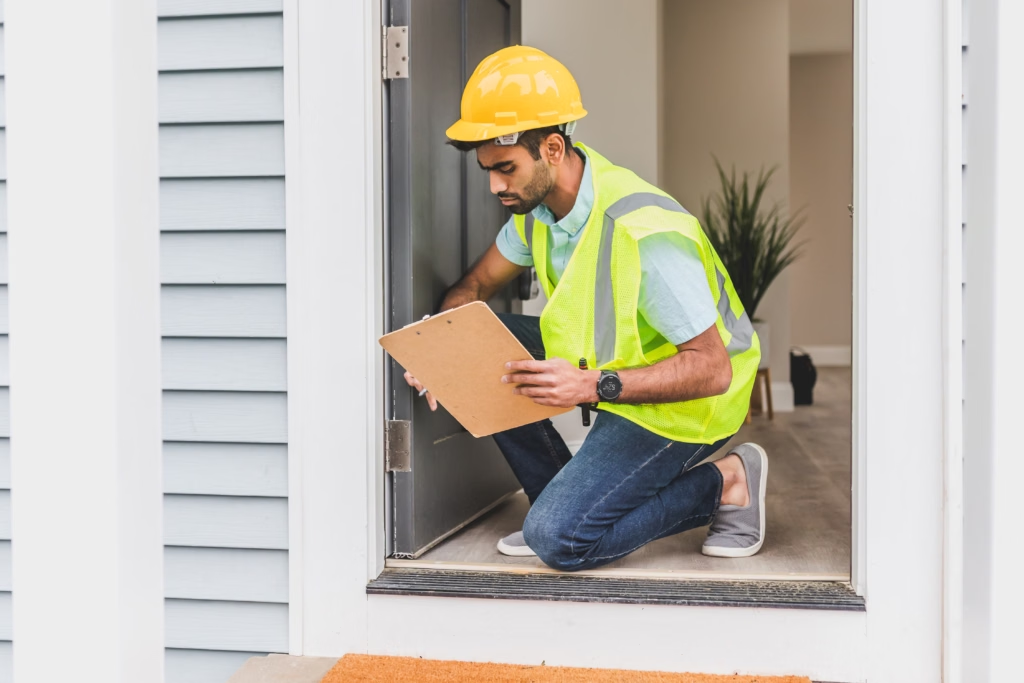
Walk around your property before the appointment and look for anything that needs attention.
- Roof and gutters: Look for visible damage, missing shingles or blocked gutters.
- Siding and paint: Check for damaged siding, peeling paint or areas that need repair.
- Foundation and drainage: Look for visible cracks, standing water or drainage concerns.
- Windows and doors: Make sure they open and close properly and that there is no obvious damage.
- Yard and landscaping: Mow the lawn, trim overgrown plants and clear away loose debris.
- Driveway and walkways: Clear access and note any visible damage.
- Outbuildings: If you have a barn, workshop, garage or shed, make sure the appraiser can access it safely.
You don’t need to take on expensive landscaping projects just for the appraisal. Focus on basic upkeep and making the property easy to assess.
If you have a larger property, don’t forget the areas beyond the main house. A detached garage, private driveway, fencing, well or septic system can all be relevant to understanding the property. Make sure these areas are easy to reach and let the appraiser know about any features that might not be obvious during a quick walk around.
3. Interior Home Appraisal Checklist
The appraiser will also look at the home’s interior, including its overall condition and major systems.
Use this checklist to prepare:
- Clean and clear the rooms: Remove clutter that blocks access to important areas.
- Check the lighting: Replace burnt-out bulbs and open curtains or blinds.
- Look at walls and ceilings: Note visible water stains, damaged plaster or other issues.
- Check floors: Look for significant damage, loose boards or other problems.
- Test fixtures: Check taps, toilets, lights and other basic fixtures.
- Check heating and cooling: Make sure the systems are accessible and can be operated if needed.
- Clear access to the attic, basement or crawl space: Where accessible, make sure these areas can be viewed safely.
A clean home helps the appraiser see its condition, but cleanliness alone doesn’t determine market value. Don’t feel you need to renovate every outdated room before the appointment.
4. Safety and Code Checks Before an Appraisal
A home appraisal isn’t a full safety inspection or code compliance review. However, visible safety concerns and unpermitted work can raise questions about the property’s condition. Before the appointment, take a look at these areas:
- Smoke and carbon monoxide alarms: Check that alarms are installed and working where required.
- Electrical systems: Look for exposed wiring, damaged outlets, loose switches or other visible concerns.
- Handrails and stairs: Check that stairways, decks and raised areas have secure handrails where required.
- Water heaters: Check for visible leaks, secure installation and appropriate safety features.
- Heating systems: Make sure heating equipment is accessible and appears to be in working order.
- Permits and renovations: Keep permits and records for work such as room additions, electrical upgrades or structural changes.
- Decks and balconies: Look for loose boards, unstable railings or visible structural damage.
- Access and exits: Make sure doors, windows and pathways can be opened and accessed safely.
If you’ve completed major work without checking whether a permit was required, speak with your local building department before making claims about code compliance. Requirements can vary by county and municipality in Washington.
5. Documents to Keep Ready

Have a short list of improvements and repairs available. You don’t need to prepare a huge folder, but useful records can help clarify details about your property.
Gather what you have from this list:
- Receipts or records for major renovations.
- Details of roof, HVAC or water heater replacements.
- Permits for work that required them.
- Information about energy-efficient upgrades.
- Records of significant repairs or improvements.
- Details about outbuildings or other property features.
If you’re selling a rural property, you may also want to organise relevant information about acreage, outbuildings, access and other features that distinguish it from nearby homes.
Don’t worry if you don’t have every receipt or document from years ago. Work with the records you do have. Even a simple list of improvements, including roughly when the work was completed, can be useful. If you’ve made changes to the property yourself, make a note of those too. The idea is to give the appraiser accurate information, not to create a perfect paperwork file.
6. What Not to Do Before an Appraisal
A few simple things can help the appointment go smoothly.
- Don’t hide problems. Be honest about known issues rather than trying to cover them up.
- Don’t rush into unnecessary renovations. A major upgrade may not add enough value to justify its cost.
- Don’t pressure the appraiser. Let them carry out their assessment independently.
- Don’t make claims without records. If you mention a major improvement, share any supporting documentation you have.
- Don’t block access. Make sure the appraiser can safely reach the relevant rooms, systems and outbuildings.
The goal isn’t to convince the appraiser that your home is perfect. It’s to help them understand what the property offers.
7. What Happens After the Appraisal?
Once the appraisal is complete, the report is generally sent to the lender when the buyer is financing the purchase.
If the appraised value supports the agreed sale price, the transaction can continue through the remaining steps, subject to the other terms of the sale.
If the appraisal comes in below the agreed price, the buyer and seller may need to discuss their options. These could include renegotiating the price, reviewing whether there is a basis to challenge the valuation or considering other arrangements allowed by the purchase agreement and financing terms.
A lower-than-expected appraisal doesn’t automatically mean the sale is over. Your next steps will depend on the contract, the buyer’s financing and the circumstances of the transaction.
Your real estate agent can help you understand the report and discuss the available options with you. If something in the report doesn’t seem accurate, gather the relevant information and speak with your lender about the appropriate next steps. Avoid making assumptions until you’ve had a chance to review the findings.
Final Thoughts
Preparing for a home appraisal doesn’t mean making your property perfect. It means taking care of the basics, making the home accessible and having the right information ready.
If you’re selling in Southwest Washington, the property’s location, condition and features all matter. This is especially worth keeping in mind if you’re selling acreage, a rural home or a property with outbuildings.
Thinking about selling? Discover Northwest Realty Group can help you understand the selling process and prepare for the steps ahead.
FAQs
1. Should I clean my house before an appraisal?
Yes, a basic clean and clear-up helps the appraiser access rooms and assess the property’s condition. However, cleanliness alone doesn’t determine its market value.
2. Do I need to renovate before a home appraisal?
Not necessarily. Focus on visible maintenance issues and making sure the property is accessible. Expensive upgrades aren’t guaranteed to increase the appraised value by more than they cost.
3. What documents should I provide to an appraiser?
Useful records include renovation receipts, permits, details of major system replacements and information about significant property features.
4. What happens if my home appraises below the sale price?
You and the buyer may need to discuss options, such as renegotiating the price or reviewing the appraisal. What happens next depends on the purchase agreement and financing arrangements.
5. Can I be present during a home appraisal?
Yes. Sellers can generally be present, but it’s best to give the appraiser space to complete their assessment independently.
6. Does landscaping affect a home appraisal?
Yes. Landscaping and the overall condition of the exterior can be considered, along with the property’s other features and comparable sales.
7. How long does a home appraisal take?
It depends on the property’s size, condition and features. Larger rural properties can take longer to assess than smaller homes.
8. Should I give the appraiser a list of home improvements?
Yes. A simple list of major renovations, repairs and upgrades can help the appraiser understand the property’s features.