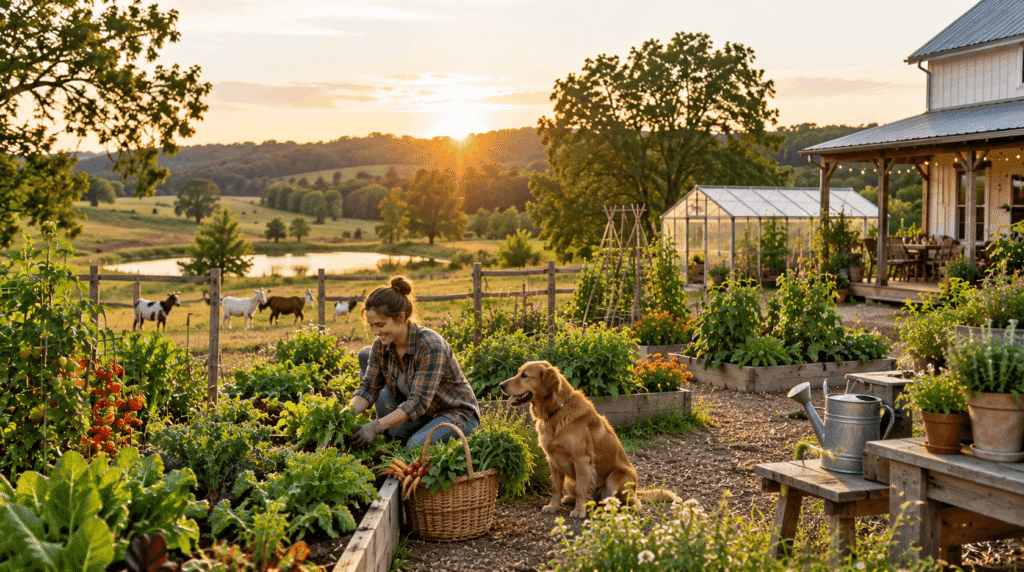
Imagine this… you are walking into your own field with a basket, picking fresh vegetables you grew yourself, collecting eggs from your little flock of chickens, checking on the honey your bees have made and then finishing it all off with a few flowers from the garden you water and tend to every day.
As dreamy as it sounds, this is what hobby farming looks like. A hobby farm is a small-scale farm that is run for personal interests, enjoyment and lifestyle rather than to make a primary living or day-to-day profit. It is less about running a large money-making farm and more about growing, raising and creating something of your own… whether that’s vegetables, eggs, honey, flowers, livestock or a little bit of everything.
And if you’re here, there’s a good chance you’ve already started imagining your own version of hobby farming. Discover North West Realty is here to help you with the same. So, let’s get into what it actually looks like for a beginner, how much land you’ll need, what it can cost, and where to start.
How to Start Hobby Farming as a Beginner?
You do not need a huge property or a barn full of animals for starting a hobby farm. The first step is to get a clear idea of what you want to do and build. Let’s see step by step on how to start planning.
Step 1: Start With Your Goals
Firstly start with a clear goal, think about what do you see yourself doing more efficiently:
- Growing vegetables or fruits
- Keeping chickens or raising cattle
- Beekeeping
- Growing flowers
- Selling some of what you produce
Your goals will help determine the type of land and setup you’ll need.
Step 2: Set Your Budget
After that comes the budget. Buying the property is only the beginning. Keep room in your budget for fencing, water systems, shelters, feed, tools, livestock and ongoing maintenance.
Step 3: Choose the Right Property
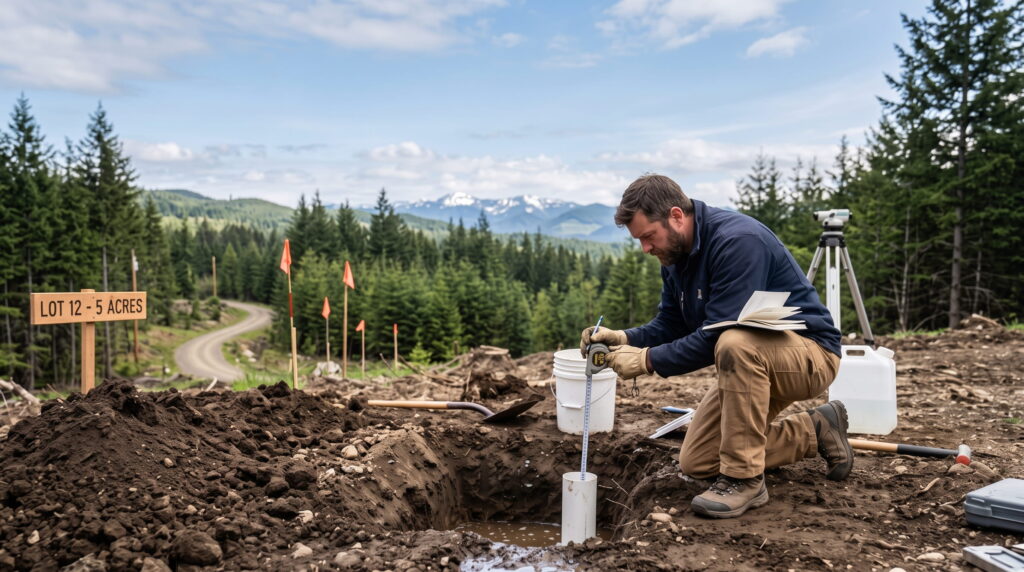
When looking at land for hobby farming, don’t focus only on acreage. Check the zoning, water access, soil, fencing, existing structures, road access and usable land.
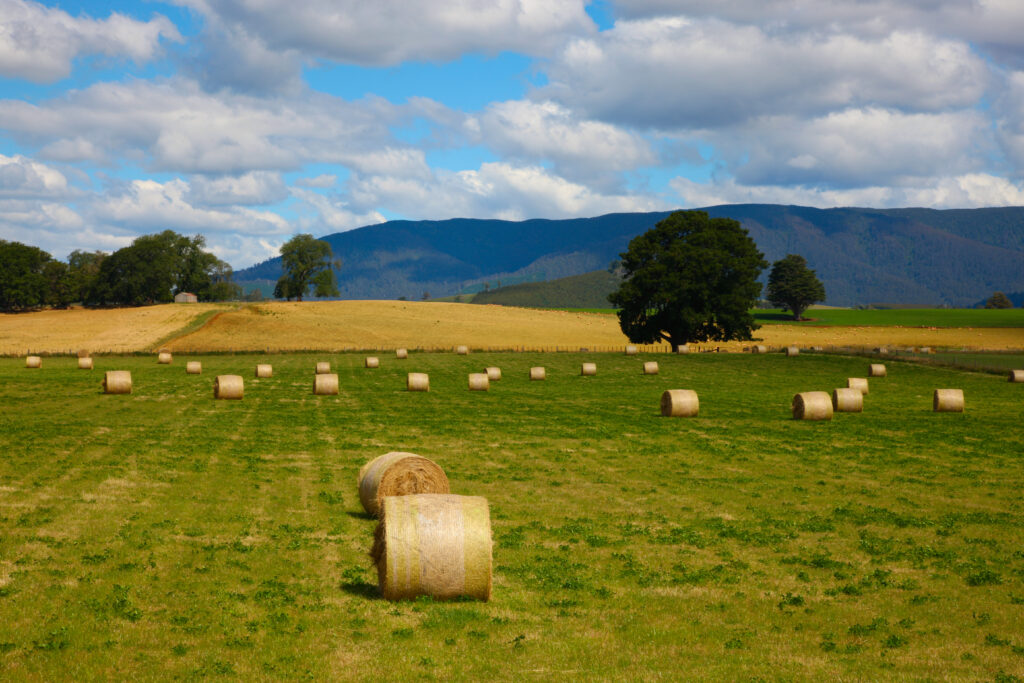
Ten acres of usable pasture can be very different from ten acres where much of the land can’t be farmed.
If you’re looking for properties in Washington, keep a lookout for lands available for sale on Discover North West and find your dream farm!
Step 4: Start Small
You don’t have to do everything at once. Start with one or two projects, learn what works for you and your property, and expand as you get comfortable.
Your goal should not be to build the biggest farm, it is to build one that fits your land, budget and lifestyle.
How Much Land Do You Need?
Now when it comes to land, there is not any fixed acreage requirement for hobby farming. You can start with just 2-3 acres for plants and poultry, while larger land will give you more room for livestock, crops and other. What matters more is how you plan to use the land.
Let us understand bifurcation for what fits best with your hobby farming.
| Property Size | What It Could Work For |
| 1–5 acres | Garden, chickens, bees, small livestock |
| 5–10 acres | Larger garden, orchard, goats, sheep and more space for animals |
| 10–25 acres | Multiple animals, larger gardens, pasture and small-scale farming |
| 25+ acres | More livestock, larger pastures, crops or multiple income-generating activities |
These are only rough starting points, not rules. Five usable acres with good water, soil and fencing can be more useful than 20 acres with difficult terrain.
What to Look for Besides Acreage
When choosing land for hobby farming, pay attention to:
- Usable land: How much can actually be used for farming or grazing?
- Water: Is there a reliable source for crops and animals?
- Soil: Is it suitable for what you want to grow?
- Fencing: Will you need to build it from scratch?
- Terrain: Flat or gently sloping land is generally easier to work with.
- Existing structures: Barns, sheds, coops and storage can save you considerable setup work.
So, rather than asking “How many acres do I need?”, a better question is: “How much land do I need for the hobby farm I have in mind?”
What Can You Do on a Hobby Farm?
The best thing about hobby farming is that there is no single rule or way to do it. You can farm something as simple as a vegetable garden and few chickens or it can grow into a mix of animals, crops, flowers and even small income-generating activities. Let’s walk through some ideas you can start hobby farming with.
Grow Your Own Food
Start with the basics: vegetables, herbs, berries and fruit trees. If you have enough space, you can turn part of your property into a small orchard or seasonal garden.
You could grow:
- Vegetables and herbs
- Berries and fruit
- Pumpkins and seasonal crops
- Fruit trees or a small orchard
- Flowers and ornamental plants
- Seedlings to plant or sell
Keep Chickens, Goats or Sheep
You don’t need a huge herd to enjoy having animals around. Chickens can give you fresh eggs, while goats and sheep can be a good option if you have suitable space and fencing.
And yes, there is something pretty satisfying about knowing exactly where your breakfast came from.
Try Your Hand at Beekeeping
If you have the right environment, beekeeping can become another interesting part of your farm. You get to support pollination around your property and, with proper care, eventually harvest your own honey.
Raise Cattle
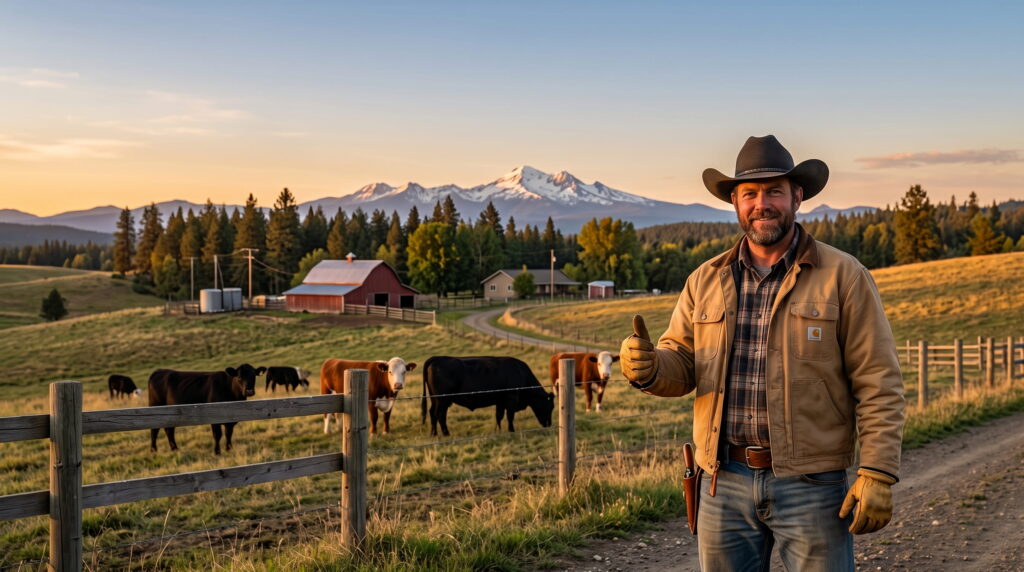
You think you have more land and a little more ambition? Then, cattle can become part of the picture too. Smaller breeds such as Dexter cattle are often considered for small-acreage operations because of their size and hardiness.
Just remember that cattle are a much bigger commitment than keeping a few chickens, so land, fencing, water and ongoing feed costs need to be considered first.
Create a Flower or Herb Garden
Your hobby farm doesn’t have to be all about food. A dedicated flower garden, herb garden or even a small cutting garden can be a beautiful use of your land.
You could grow flowers for your own home, create bouquets, or sell them locally.
Make Something From What You Grow
A little extra produce doesn’t have to go to waste. Depending on local rules, you could turn your harvest into products such as:
- Jams and jellies
- Pickles
- Honey
- Dried herbs
- Fresh-cut flowers
- Farm-fresh eggs
The idea is simple: start with what you enjoy. Your hobby farm doesn’t have to look like anyone else’s, and you can always add something new as you learn what works for you and your land.
Best Animals for a Hobby Farm
Animals are what makes a farm feel like a farm, but they also come with a lot of daily responsibilities. SO the right choice should depend on your available space, budget and time you have for the farm.
Chickens
Probably the easiest place to start for many beginners. They don’t require a huge amount of space and can provide fresh eggs for your family.
Good for: Eggs, companionship and getting started with livestock.
Goats
Goats are fun, curious and useful for small farms. Depending on the breed and your goals, you can keep them for milk, meat or simply as animals to enjoy.
Good for: Smaller properties, milk and meat.
Sheep
Sheep can work well if you have pasture and want livestock without jumping straight into cattle. They can provide wool and meat, although they still need proper fencing, shelter and regular care.
Good for: Pasture-based farming, wool and meat.
Rabbits
Rabbits need relatively little space and are fairly easy to house, making them a good choice for smaller hobby farms. They can also provide meat and manure for the farm, while simply being enjoyable animals to have around. They require less space and can provide both food and nutrient-rich manure for your garden.
Good for: Beginners with limited space.
<H3> Cattle
Cattle require more land, infrastructure and ongoing expense, so they are usually something to consider once you’ve got some experience.
If you’re specifically looking for the best cattle for a hobby farm, smaller breeds such as Dexter, Lowline Angus and Miniature Hereford can be worth researching. Dexter cattle, in particular, are known for their smaller size and hardiness.
Good for: Meat production, dairy, breeding and maintaining larger pasture areas.
Before bringing any animal home, check your property first: fencing, pasture, water, shelter and local livestock rules all matter. The animal you love the idea of may not always be the animal your land is suited for.
Hobby Farm vs. Homestead
Now, these two can sound very similar. And both of them have gardens, animals, fruit trees and a lot of hard work. But the main difference between them is ‘why are you doing it?’
| Hobby Farm | Homestead |
| Primarily built around enjoyment, lifestyle or a passion for farming | Usually focused more on self-sufficiency |
| May produce some extra income | Often aims to produce more of what the household needs |
| You can have another full-time job or source of income | The land may play a bigger role in the household’s day-to-day needs |
| You choose the projects you enjoy | Often involves a broader range of food, livestock and household production |
So, Which One Is Right for You?
If your idea is “I want some land, a garden, a few animals and the freedom to enjoy farm life”, you’re probably thinking about a hobby farm.
If your goal is “I want to become as self-sufficient as possible and rely more heavily on what I can produce myself”, you’re moving closer to a homestead.
And there’s no reason you can’t start with one and gradually move toward the other.
Pros and Cons of Hobby Farming
Now that you finally understand what hobby farming is, it is time to look at both sides of it.
The Pros
- Fresh food: Grow your own vegetables, collect eggs and potentially produce your own honey or meat.
- More time outdoors: Farming gets you outside and gives you a reason to spend more time on your land.
- A rewarding hobby: There’s something satisfying about watching something you planted or raised become part of your everyday life.
- Family activity: Gardening, caring for animals and harvesting produce can become something the whole family gets involved in.
- Potential extra income: Selling surplus produce, eggs, flowers, honey or other products can help offset some of your costs.
- More freedom with your land: You can build your farm around your interests instead of following a commercial farming model.
The Cons
- It takes time: Animals need care every day, including weekends and holidays.
- Costs can add up: Fencing, feed, equipment, repairs and veterinary care can quickly become expensive.
- Weather is unpredictable: Drought, heavy rain, frost, pests and other problems can affect your crops and animals.
- It’s physical work: There’s plenty of lifting, cleaning, digging, repairing and general farm work involved.
- It takes planning: Zoning, water access, animal requirements and property maintenance all need attention.
This will help you set realistic expectations while starting a hobby farm.
Best States for Hobby Farming
Now, when it comes to the perfect state, it differs from every farmer to farmer. So, the right choice depends on what you want to grow or raise. This will also depend on how much land you will need, your budget, the climate and how close you want to be to a town or city.
That said, there are some states that stand out when you look at factors such as growing conditions, available farmland, livestock resources and overall farming environment.
| State | Why Consider It? |
| Texas | Plenty of rural land, a strong livestock culture and a wide range of climates |
| California | Long growing seasons and strong agricultural infrastructure |
| Arkansas | Affordable rural areas, good growing conditions and plenty of farmland |
| Idaho | Good options for livestock, crops and rural living |
| Georgia | Long growing season and a strong agricultural community |
These rankings can be a useful starting point, but don’t choose a state based on a list alone. A great hobby-farm property is usually about the specific county and piece of land, not just the state.
If you’re looking at hobby farming in Washington, for example, you’ll want to consider the local climate, water availability, soil, zoning and the type of property you’re interested in. What works beautifully for a small orchard may not be the right setup for someone looking for cattle or pasture. If you are looking for land for sale in clark county head to Discover North West, right away.
Conclusion
Now that you have reached here, you know that hobby farming does not start with a huge piece of land, a long list of animals or a perfect plan. It can start with just a small garden, a few chickens and a couple of beehives, with a simple desire to have more space and to do something on your own.
The important part here is finding a land that fits what you actually want to do and understanding the water, zoning, access, infrastructure and costs before you buy.
And now if you want to turn that idea into a real property search, Discover Northwest Realty Group can help you explore rural and lifestyle properties in the Pacific Northwest and find a place that fits your plans.
Want to find your own little piece of the Northwest? Start exploring available properties and see what could work for your hobby farm.
Note: All the facts and figures in this blog are estimations and for informational purposes only, it may vary.
FAQs
What is hobby farming? A hobby farm is a small-scale farm that is run for personal interests, enjoyment and lifestyle rather than to make a primary living or day-to-day profit. It can involve growing your own fruits and vegetables, raising animals, gardening, or simply enjoying a more hands-on connection with the land.
Is hobby farming profitable? It can be, but profit isn’t usually the main reason people start a hobby farm. Selling eggs, produce, honey, flowers, livestock or hosting small farm events can create additional income and help cover some of your expenses.
How many acres do you need for a hobby farm? There is no fixed number. A few acres can be enough for gardens, chickens and smaller livestock, while cattle and larger-scale projects may need considerably more usable land.
What are the best animals for a hobby farm? Chickens are often a simple starting point for beginners. Depending on your land and goals, you can also consider goats, sheep, rabbits and cattle.
What are some good hobby farming ideas for beginners? A vegetable garden, chickens, beekeeping, fruit trees, flowers and small livestock are all places you could start. You can also explore a farm stand or small monthly farm market once you have enough produce to share.
Is hobby farming hard? It can be physically demanding and requires regular work, especially if you keep animals. But starting small can make the learning curve much easier and let you build your farm at a pace that works for you.